
Brussels/Belgium – The tactics used by counterfeiting operations in the European market are changing dramatically. According to a study released by European Union agencies Europol and OHIM (Office for Harmonization in the Internal Market), organised crime groups are increasing their fight for market access in the EU. This battle for access to the market is creating a growing challenge for EU customs.
Changes to counterfeiting strategy inside EU
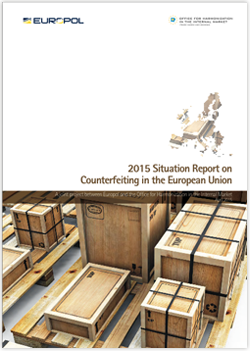 Counterfeiting networks are attempting to reduce the risk of seizures by customs officials by relocating their businesses inside EU borders. Opening new local branches with production facilities and warehouses in a range of EU countries renders the counterfeiters relatively invisible at external borders.
According to the earlier cited study and supplemented by recent intelligence gathered by Vis Probandi, this problem is only growing larger. A consequence of this new counterfeiting trend is the increased role local criminal groups have started to play. A rising number of these groups are legally importing product components into the EU, e.g., unlabelled bottles or raw materials such as chemicals, with the ultimate goal of assembling illegal fake goods within the EU.
Need for overarching investigations by authorities
“A single seizure does not hurt an organisation. They can immediately compensate for the loss with a supplier in the surrounding neighbourhood,” warns Lukas Drlik, head of Vis Probandi. “It’s vital to investigate the whole supply chain.”
According to Vis Probandi, counterfeiting is currently viewed as a “low risk/high profit” crime area. “We saw groups being caught three times and re-starting the counterfeit production business for a fourth time. Could there be any better proof of the fact that this kind of crime is a part of larger and more profitable machinery?” Drlik asks.
According to Drlik, authorities cannot handle counterfeiting cases as isolated incidents anymore. “Modern counterfeiting networks are part of a highly organised crime structure, including tax evasion, money laundering, trafficking of human beings, etc. Investigations therefore need to examine all possible avenues to stop the counterfeiters’ game,” the manager claims.
Growing trust for the private sector
In its conclusion, the study released by Europol and OHIM suggests a close partnership among various public and private stakeholders is necessary to effectively fight counterfeiters.
In some areas these efforts have already begun gaining ground: “Watching law enforcement take seriously the input and information offered by the private sector is gratifying. Trust between these two parties is vital,” says Drlik.